
ACOD RESTORES MOUNT KEI: FROM FOREST DESTRUCTION TO HONEY, JOBS AND HOPE.
By Vasco Gift
For communities living around Mount Kei Forest Reserve, the forest is more than a stretch of trees. It is a source of food, income, medicine and livelihoods. But years of environmental degradation have threatened these benefits, putting pressure on both the forest and the people who depend on it.
Now, an environmental conservation initiative led by Action for Community Development (ACOD) is seeking to change that story, turning communities that once depended on forest exploitation into active partners in its restoration.
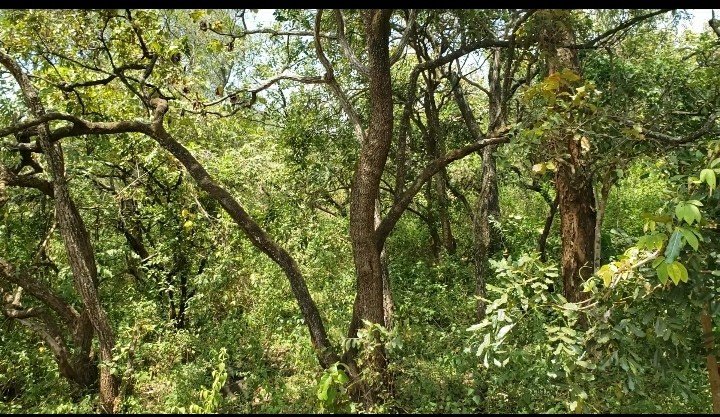
More than 7,000 people in Koboko and Yumbe districts are benefiting from the initiative, which has been running for over two years and promotes sustainable livelihoods alongside environmental conservation.
Through the project, communities are being encouraged to plant trees, protect the forest and embrace alternative sources of income that do not depend on destroying natural resources.
These include beekeeping, honey production, herbal medicine and the making of traditional products such as mats, chairs, wooden beds, bows and arrows.
The approach is helping communities rethink their relationship with the forest: instead of viewing it as a resource to exploit, they are increasingly being encouraged to see it as an asset worth protecting.
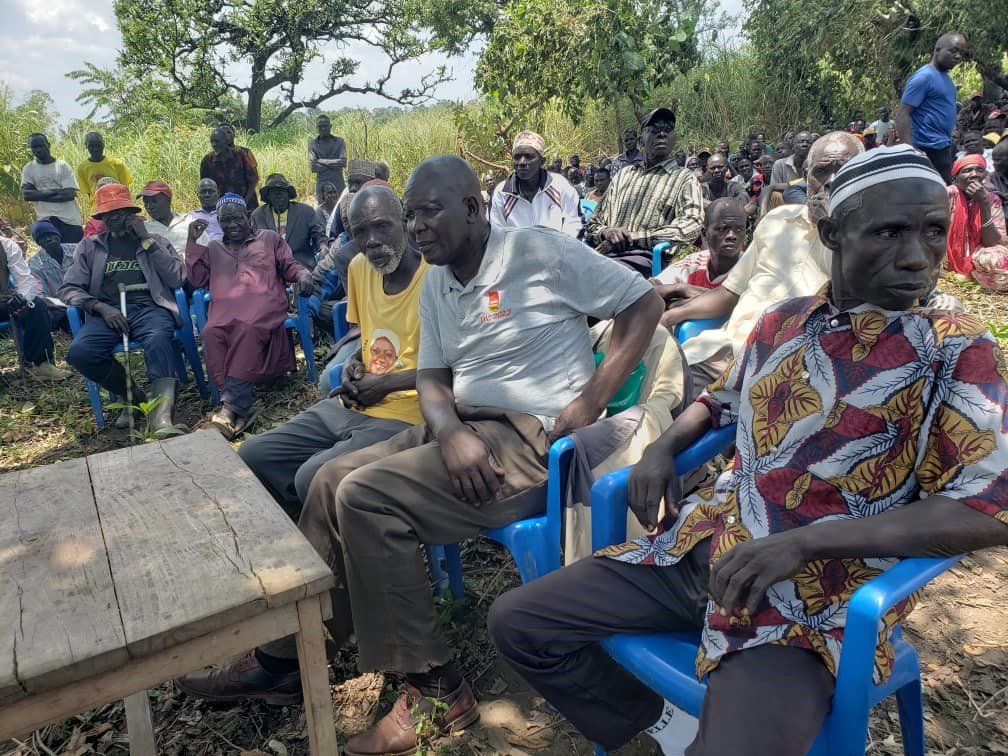
ACOD: Community ownership is key to restoration
The Executive Director of ACOD, Arthur Bainomugisha, says the restoration initiative is supported by DANIDA, in partnership with WENDA and RICE West Nile, and implemented through collaboration with the Ministry of Local Government and the Ministry of Water and Environment.
“We support the restoration of the degraded forest through DANIDA, partnering with WENDA and RICE West Nile, working with the Ministry of Local Government and the Ministry of Water and Environment,” Bainomugisha said.
He explained that working closely with communities has opened opportunities for beekeeping, honey production, herbal medicine and other income-generating activities.
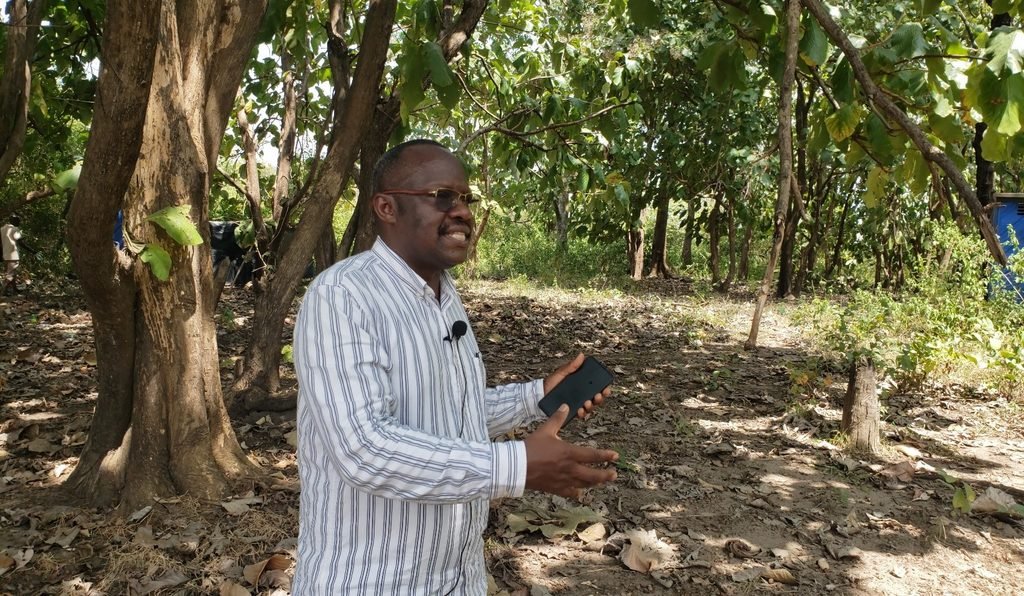
According to him, community ownership is central to ensuring that conservation efforts deliver lasting results.
“Locals are now owning and protecting the forest jealously. They have realised that the forest is their livelihood,” he said.
Bainomugisha commended local government authorities and RICE West Nile for their collaboration, particularly in efforts to restore indigenous tree species, including the shea nut tree.
He added that ACOD plans to extend the initiative to other sub-counties within the forest’s catchment area.
Ireland Ambassador: Community awareness is driving change
The Ambassador of Ireland to Uganda, H.E. Mags Gaynor, said the Programme for Accountability, Civic Engagement and Rights (PACER) project demonstrates the importance of community awareness, institutional collaboration and coordination in achieving sustainable environmental conservation.
She observed that restoration becomes more sustainable when communities understand the importance of protecting natural resources and are actively involved in decisions affecting their environment.
Her remarks underscored the importance of bringing together communities, cultural institutions, local governments and other stakeholders to promote peaceful coexistence and environmental protection.
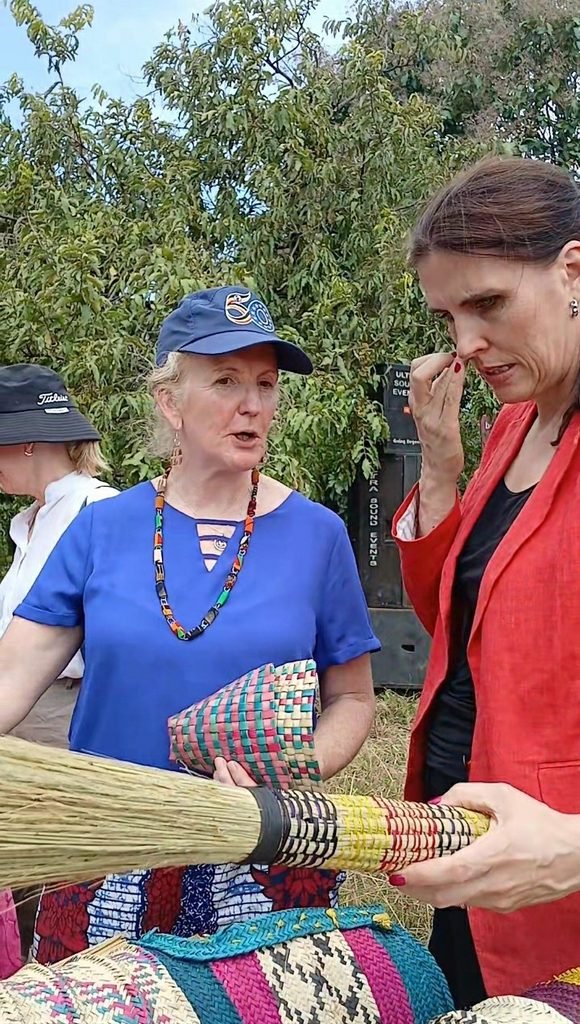
Honey producers seek processing equipment to increase earnings
For community members already embracing alternative livelihoods, the benefits of conservation are becoming increasingly tangible.
Adiru Onesta, a beneficiary from Ludara Sub-county in Koboko District, welcomed the support from ACOD and the National Forestry Authority (NFA), saying it had helped bring community members together around beekeeping.
“With support from ACOD and NFA, we are able to unite and venture into the apiary project,” she said.

However, she noted that limited access to honey-processing equipment remains a challenge for her group, Egyto.
She appealed to partners and other development stakeholders to support the group with honey-processing machines to improve the quality and value of their products.
“We need machines for processing honey so that we can add value and earn more from our honey,” she said.
Her appeal highlights the need to complement conservation efforts with practical livelihood support that enables communities to earn more from sustainable forest products.
NFA calls for cooperation as relocation discussions continue
While alternative livelihoods are being promoted, questions surrounding human settlement and activities within the forest reserve remain a major challenge.
Haruna Basibosozi, the Forest Manager of Mount Kei Forest Reserve, said NFA is engaging communities on the need to leave the forest as part of broader restoration efforts.
He acknowledged that some residents remain reluctant to relocate despite continued engagement by forestry officials.
“We are asking for teamwork. The forest must be restored. We are engaging the community on relocation plans,” Basibosozi said.
The discussions point to the need for a balanced approach that protects the forest while addressing the livelihoods and welfare of communities affected by relocation decisions.
Koboko RDC raises concerns over forest management
Koboko Resident District Commissioner Samuel Mpimbaza Hashaka, however, questioned the role of forest management in the degradation of Mount Kei.
He accused some forestry officials of failing to adequately protect the reserve, citing reports of alleged collusion in illegal charcoal burning and tree cutting.
“Forest management must stop sleeping on the job. Some reports show the forest is destroyed by some NFA officers through allowing charcoal burning and cutting of trees,” Hashaka said.
His concerns raise questions about accountability and the enforcement of forestry regulations, particularly where those entrusted with protecting the reserve are accused of facilitating its destruction.
Addressing such concerns will be important in rebuilding public trust and ensuring that conservation rules are applied consistently.
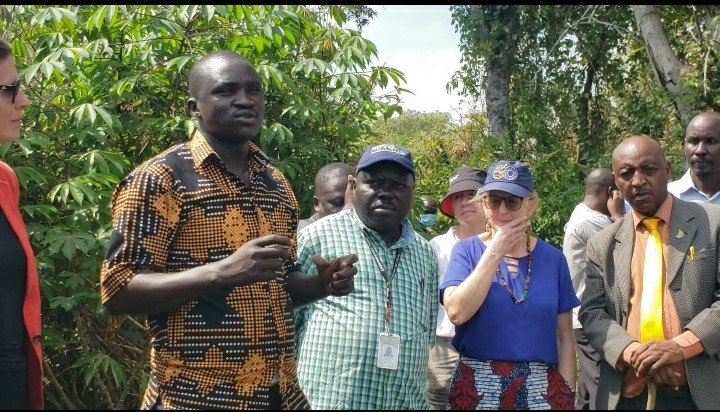
Koboko LCV Chairperson calls for clear forest boundaries
Koboko District LC5 Chairperson Hon. Mambu Ashrafu called for stronger cooperation between forest management, local leaders and communities to prevent conflicts and support restoration.
He noted that Mount Kei Forest Reserve extends across Koboko and Yumbe districts, but the lack of clear demarcation has contributed to disagreements among stakeholders.
“We need teamwork between forest management, local leaders and communities to avoid conflicts. The forest covers Koboko and Yumbe, but there is no proper demarcation,” Mambu said.
He emphasised the importance of clearly establishing the forest boundaries to improve coordination and reduce disputes.
Youth MP urges conservation alongside sustainable livelihoods
The Youth Member of Parliament for Northern Uganda, Hon. Elma Kapel Challa, urged communities and government to work together to protect the forest while ensuring that people have sustainable means of survival.

She emphasised that conservation and community welfare should go hand in hand, particularly where relocation is being considered.
“Locals and government must coexist and conserve the forest. Relocation must come with sustainable survival plans,” she said.
Her message highlights a critical concern: communities cannot be expected to abandon livelihoods linked to the forest without viable alternatives that protect their economic well-being.
The road ahead: Protecting the forest and the people
The Mount Kei restoration initiative demonstrates how community participation, institutional collaboration and alternative livelihoods can contribute to environmental conservation.
With more than 7,000 people reportedly benefiting from the initiative through activities such as beekeeping, honey production, herbal medicine and crafts, the project is creating opportunities for communities to earn from natural resources without relying on destructive practices.
However, sustaining these gains will require more than tree planting and awareness campaigns. Stakeholders must address accountability concerns, establish clear forest boundaries, strengthen community participation and ensure that any relocation plans are accompanied by sustainable livelihood options.
For communities around Mount Kei, the future of the forest is closely tied to their own well-being.
The challenge now is to ensure that protecting the forest also means protecting the people whose lives and livelihoods depend on it.
ENDS