FROM SURVIVAL TO STANDARDS: HOW CERTIFICATION CAN TRANSFORM WOMEN-LED REFUGEE BUSINESSES IN ADJUMANI.
They produce. They sell. They survive. But without certification, women-led refugee businesses in Adjumani remain invisible beyond their communities—trapped between resilience and risk, where livelihoods grow but safety is never guaranteed.
By Bazio Doreen.

By sunrise, the smoke has already begun to rise from the cooking fires in many settlements across Adjumani District. Inside a small, makeshift shelter, Anzoa Susan, 32, a bee keeper based in Pagirinya Settlement, carefully wipes the rim of a reused container before pouring in thick, yellowish-brown honey. She works slowly, deliberately; not because she has time, but because she cannot afford mistakes.
After being trained by the Lutheran World Federation (LWF), an NGO operating in the Adjumani, Anzoa started this informal honey business which feeds her children, pays for health care and also caters for the school fees of her two children whenever it can. And yet, beyond her residential village, it is almost invisible.
“We have been doing this honey business since 2021 using the few materials and equipment that were provided by LWF. I have heard about certification but we can’t afford it on our own because branding alone is expensive for us. However, even with no proper storage for the honey, we ensure to abide by the measurement standards in the market,” Anzoa explained.
In practice, “measurement standards” go beyond estimation or routine practice, they require calibrated tools, verified quantities, and consistent units. Without proper measurement systems, a litre of honey may not always be a litre, affecting not only pricing but also fairness in trade and consumer trust. This is where metrology, the science of measurement becomes critical, ensuring that every product sold meets accurate and verifiable standards.
The reality beneath the resilience.
In Adjumani District, stories like Anzoa’s are everywhere in Adjumani’s 19 refugees’ settlements. Women have turned loss into labor, and labor into livelihood. But behind that resilience is a harder truth. For most women here, business is not ambition but survival. This shift is driven by a need for self-reliance following reduced humanitarian aid and funding cuts from international agencies like the World Food Programme (WFP) and UNHCR.
According to a report shared by United Nations High Commission for Refugees (UNHCR) released in 2021 on employment statistics for refugees in Uganda, only 29% of refugees in Uganda are actively working versus 64% of host communities.
Interestingly, Adjumani has a total population of approximately 528,885 people with refugees making up nearly 43–45%, effectively creating a 1:1 ratio with the host community in many areas. According to UNHCR and OPM, about 85% of the refugee population in the 19 settlements are women and children.
Even after considering differences in age, gender and education, refugees are 35% points less likely than Ugandan nationals to be employed which leaves self-employment as the most immediate solution. Most refugees earn between Ugshs 150,000/= and Ugshs 250,000/= a month from these informal businesses which is just enough to live day-to-day, but never enough to grow.

Certification is more than a regulatory requirement, it is a gateway to formal markets. Products bearing a recognized quality mark signal compliance with national standards, enabling producers to access supermarkets, institutional buyers, and cross-border trade. Without this certification, even high-quality products remain confined to informal markets, where trust is personal and growth is limited.
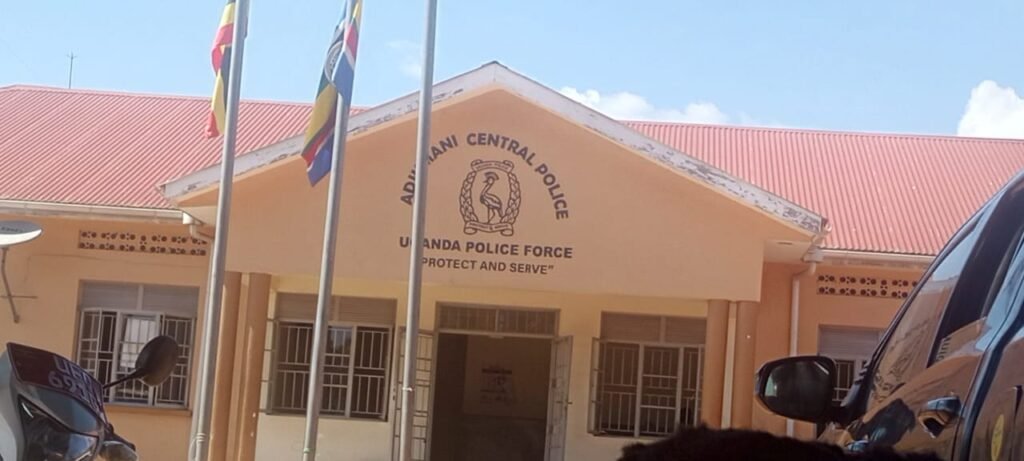
Although Uganda’s refugee model, led by the Office of the Prime Minister (OPM), has given such enterprising women the opportunity to build something consistent and valuable, product certification has become a wall they cannot see, but feel every day. Although, the mandate to ensure product safety and quality lies with the Uganda National Bureau of Standards, here in the settlements, that system feels far away.
According to Antonio Ssemakalu, a Senior Metrologist at Uganda National Bureau of Standards (UNBS), and Secretary of the Quality Assurance Association of Uganda, so far UNBS hasn’t directly worked with refugees and there is no product of refugees in Adjumani that has been certified yet but this can be changed with close partnership with authorities in charge of refugees.
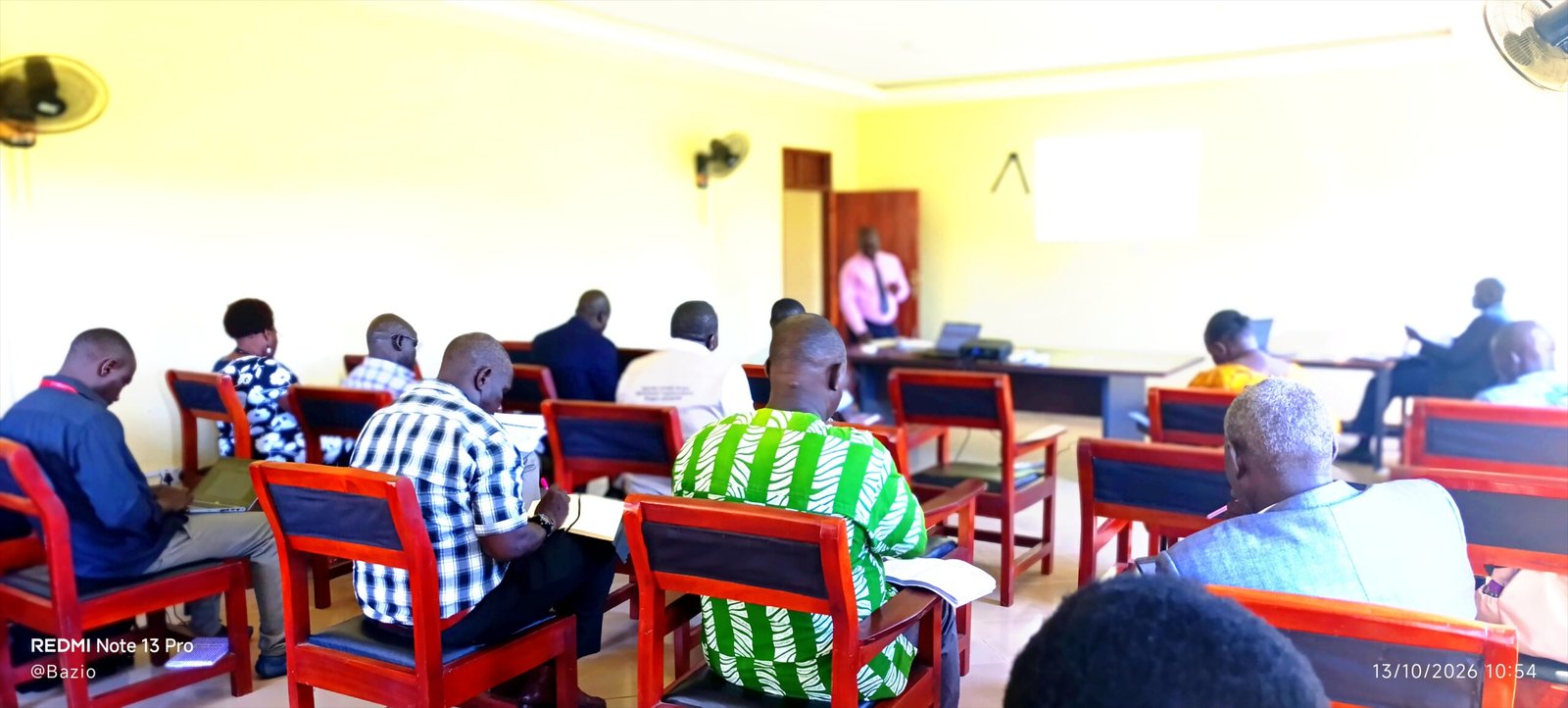
“We usually do certification for small and medium enterprises and startups at a subsidized cost. I believe many refugee businesses fall in this category; so this can be considered if UNBS partners with OPM or UNHCR. Together with the UNBS Gulu regional office, we can conduct trainings and specialized outreaches in refugee settlments to create awareness on product certification;” Antonio suggested.
However, he adds that UNBS is aware of authorities like the Food and Agricultural Organization (FAO) that are indirectly ensuring standards and safety by ensuring that the food given to refugees by the World Food Program and its partners is safe for consumption.
In 2018, government started implementing mandatory certification with a distinctive mark (Q mark) for all products covered under compulsory standards. These products among others include: foods, drinks, electronics, cosmetics, steel products, cement, confectionaries, apiary, and mattresses.
To implement this, UNBS has previously partners with other stakeholders to scale up sensitization and create awareness on the laws and regulations that support the mandate of the bureau. These include: Uganda Manufacturers Association (UMA), Uganda Small Scale Industries Association (USSIA), and The National Apiculture Development Organization (TUNADO).
The Cost of Being Unseen.
For Akuol Deng Elizabeth, 34, the Vice Chairperson Refugee Welfare Council II Nyumanzi Settlement, the problem is not effort, it is trust. She says that although since 2014, she has been preaching self-reliance to women and acting as a role model to them through her liquid soap business, her main customers are only those who know her. Without certification, her prices stay low; the market stays small and growth stays out of reach. With certification, Akuol’s liquid soap could easily access supermarkets and be supplied to those who consume in bulk.
“Being able to only market our products to our refugees who are struggling financially just like us makes our businesses for just survival and limits the market. Although we hope to do better in the next 3 years if we get support, for now we only market through our friends; every member of our savings group does marketing,” Akuol Deng explained.

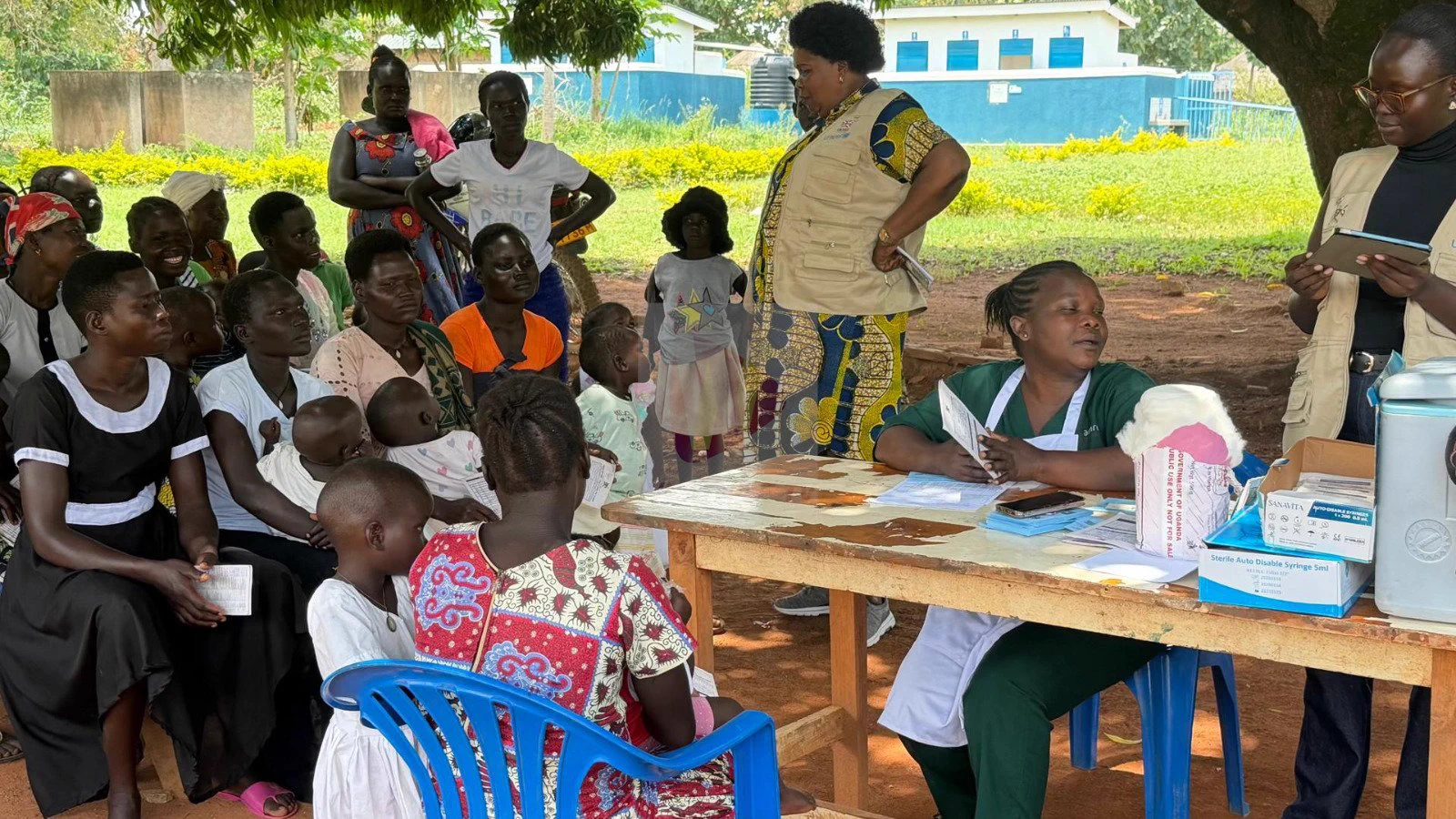
On the other hand, for Tamaria Scovia, 37, a Volunteer Reusable Sanitary Pads Mentor trained by Right to Play, an NGO operating in Adjumani; the stakes are even more personal. A team of 25 women entrepreneurs is not just selling a product but protecting dignity.
“We chose this product because it is cost effective for the girls, many of them have dropped out of school due to the shame that fails with maintain proper menstrual hygiene,” Tamaria noted.
While this is a noble cause, without quality assurance; materials vary, safety cannot be guaranteed and opportunities to supply schools, markets outside the settlement or NGOs disappear. Certified sanitary pads can be supplied to schools/NGOs and Tamaria’s group may be able to increase or multiply their current monthly income of between Ugshs 400,000/= and Ugshs 500,000/= after selling between at least 100 reusable pads a week.
“Due to limited access to materials, our materials are likely to be of a low quality. Also because of limited capital and low profits, we fail to produce in bulk, since we manufacture and store the products in our homes. We also sell piece by piece in polythene bags that are not even sealed during market days because we can’t afford packaging,” Tamaria revealed.

The Quiet Risk in Everyday Products.
In many homes across Adjumani including those in the settlments: local honey is consumed without quality testing; liquid soap is used without standard formulation and sanitary products are trusted without certification. While nothing seems visibly wrong; neither is it officially safe.
Standards exist to close precisely this gap between perception and proof. Through testing, certification, and enforcement, they ensure that products meet minimum safety, hygiene, and quality requirements. In their absence, both producers and consumers operate in uncertainty, where risks are not always visible, but can have real consequences for health, safety, and livelihoods.
At Pagirinya II Market, Maritina Lawa, a refugee vendor who sells some of these locally made products said that although overtime manufacturers have made an effort to improve on cleanliness, and packaging, the storage of products is still poor and this affects their business.
“Some products have to be sold off as soon as possible because storage is poor and improvised while on the other hand many entrepreneurs not only have limited access to quality raw materials but can’t afford preservation,” Lawa observed.
Indeed, consumers like Alice Bibiana Amadrio, observe that many local products are thought to be original and devoid of chemicals of harmful substances but product certification with a UNBS ‘Q mark’ would give the much needed confidence to protect consumers from products that may risk their health.

The solution within reach.
Experts point to simple, powerful interventions like: taking certification services into settlements; reducing costs for small producers; training women in quality standards; building direct links between OPM and UNBS programs; and also advocating for the co-opting of refugees in government wealth creation programs. Government programs like the Parish Development Model (PDM), Emyooga and GROW which either target women or ring fence a certain percentage of the beneficiaries for women.
Dipio Agnes, the Adjumani District Commercial Officer, now says there is a need not only to advocate for more products in Adjumani to be certified especially in the settlements but there is a need to upscale the uptake of local manufacturing and local economic development.
“We have already set up one refugee cooperative in Mungula Settlement in Itirikwa Sub County. Business requires persistence, depending on grants from NGOs is not sustainable. Refugees can be supported to gain better from their enterprises through targeted outreaches and sensitization because the Ugandan economy is liberal and refugees can trade anywhere,” Dipio advised.
Such interventions have the potential to do more than improve compliance, they can transform entire value chains. When producers are trained in standards, equipped with proper measurement tools, and supported through certification processes, their products become more competitive, consistent, and trusted. This not only increases incomes but also strengthens consumer confidence and integrates informal enterprises into the broader economy.
With the district authorities already walking this journey, women like Anzoa can be supported to not only make the best out of her honey business but also remain resilience in the face of budget cuts to NGOs and reduced food rations to refugees.
As evening falls, Anzoa ties a cloth over her bucket and sets it aside. Tomorrow, she will return to the market. She will sell what she can. She will earn what she must. And she will continue to build something that works; but is not yet recognized.
In Adjumani, women have already done the hardest part, they have built businesses out of survival. What remains is a system willing to see them, support them, and ensure that their products meet national standards, are accurately measured, and are safe for public consumption
According to data from the Ministry of Finance and Planning, most of Small and Medium Enterprises operate largely in the informal sector, generating about 80 percent of the country’s manufactured output and making a significant contribution to the economy. Additionally, in the 2024/2025 financial year, UNBS handled 30 civil cases, while 95 criminal cases were recorded related to breaches of standards and metrology laws.
This story was published in partnership with Ultimate Media Consult and Uganda National Bureau of Standards.
END.