
MADI OKOLLO FARMERS TURN TO HORTICULTURE AS ALTERNATIVE TO CHARCOAL BURNING.
By Victor Andama.
At 10:30 a.m. in Adraa Village, Offaka Sub-county, 42-year-old Aduvuku Hillary walks through rows of staking poles in his vegetable garden, inspecting the crops he hopes will transform his household’s fortunes.
Two years ago, mornings like this were spent tending smoldering charcoal kilns. He cut down indigenous trees to produce charcoal, earning quick money to pay school fees and meet other household needs.
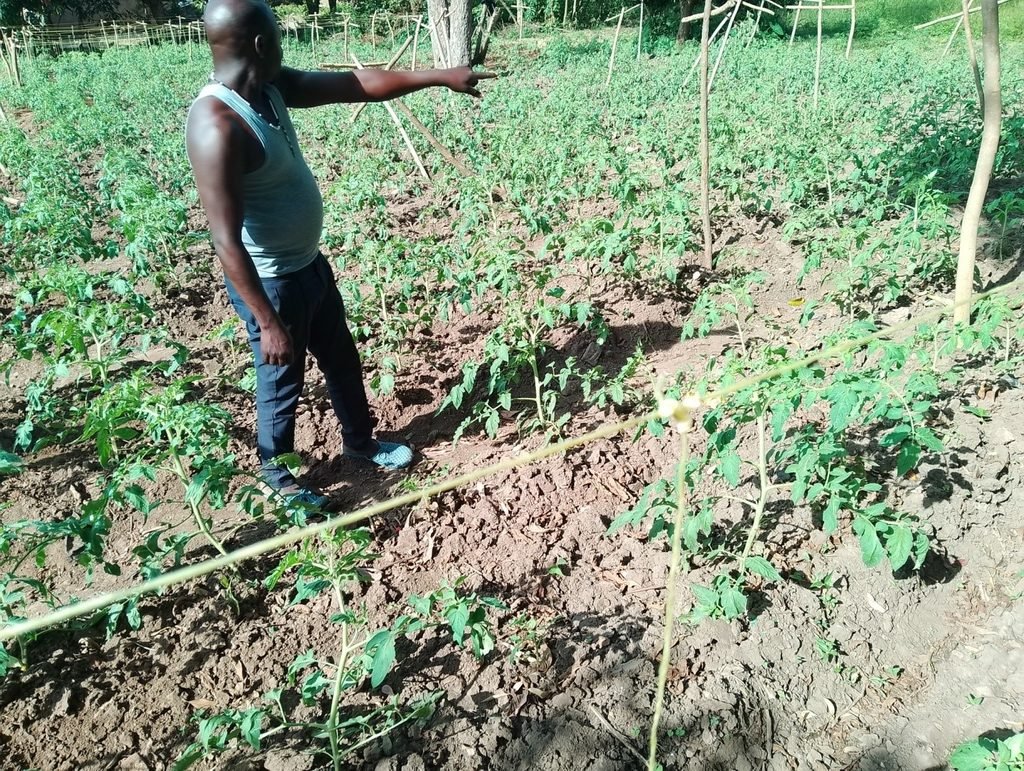
But as trees became harder to find and the environmental consequences of charcoal burning grew more apparent, Aduvuku began reconsidering his source of income.
“Charcoal gave fast money, but every season the trees moved farther away and the heat grew worse. I realized I was burning my own future,” he says.
Today, he has turned to vegetable farming, an enterprise he hopes will earn him between Shs8 million and Shs10 million from his harvest, provided favorable weather conditions prevail.
“I am hopeful of getting more than eight million shillings from this garden if the rains come,” he says.
Aduvuku is among a growing number of small-scale farmers in Madi Okollo District exploring commercial horticulture, particularly the production of tomatoes and cabbages, as an alternative to charcoal burning.
Unlike perennial crops such as coffee and cocoa, which require several years before generating significant returns, vegetables mature within approximately two to four months, offering farmers a relatively quicker source of income.
The enterprise is also providing an opportunity for farmers to tap into the local market for fresh produce.
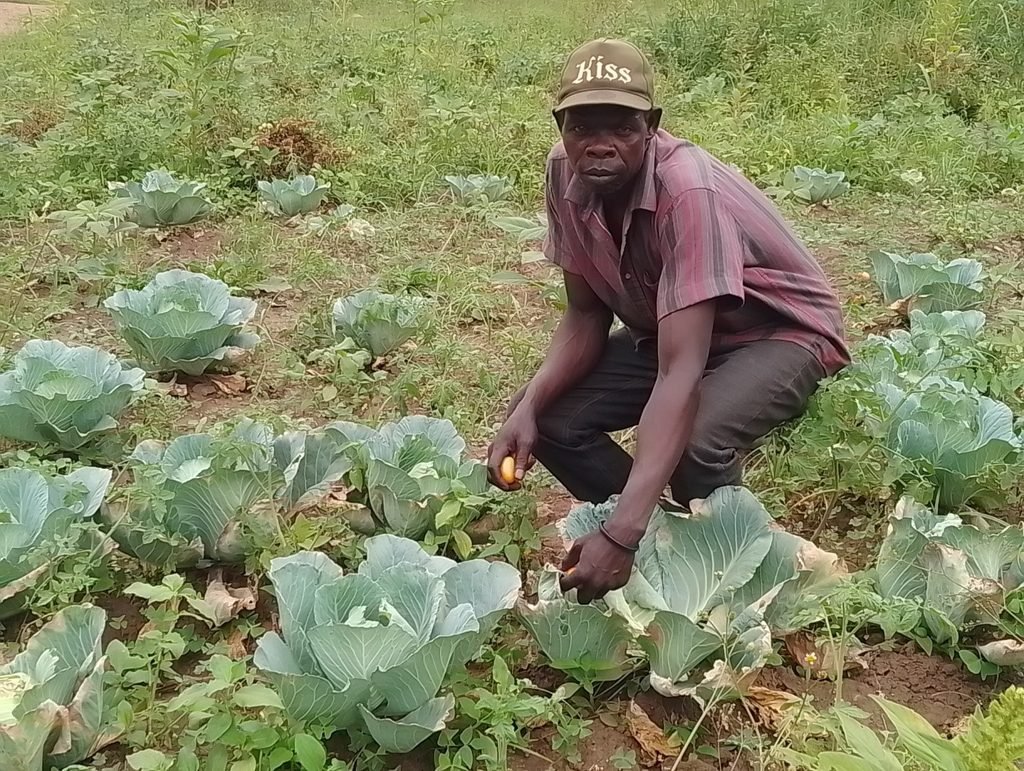
For years, tomatoes and cabbages sold in trading centres across Madi Okollo and neighbouring Arua were largely transported from other producing regions, including Mbale. Local production therefore offers farmers an opportunity to meet existing demand while reducing reliance on produce transported over long distances.
In Ayibu/Osabu Village, Offaka Sub-county, Oriku Cezari, a member of Pamadra Modern Demonstration Farm, is among those already benefiting from the enterprise.
Last season, he harvested 940 heads of cabbage and 88 crates of tomatoes from a plot measuring less than an acre near the Aji River, earning millions of shillings from the produce.
The experience demonstrates the income potential of commercial vegetable production, even for farmers working with relatively small pieces of land.
To support this transition, local agricultural trainers and farmer organisations, including the Madi Okollo District Farmers Association (MADIFA), are promoting improved seedling nurseries, mulching and small-scale irrigation to improve production and help farmers extend cultivation beyond the rainy season.
Speaking during a meeting with farmers at Offaka Sub-county headquarters, Isaac Chadri Adyeri, a member of MADIFA, encouraged farmers to explore commercial agriculture, including coffee and cocoa production, as a pathway to improved household incomes and poverty reduction.
However, the transition from charcoal burning to commercial agriculture is not without challenges.
Farmers face high initial costs of hybrid seeds, fertilisers and pesticides needed to manage crop diseases and pests, including tomato blight. Poor feeder roads also make it difficult to transport perishable produce to markets without damage.
Water availability remains another major concern, particularly during prolonged dry spells when vegetable production requires reliable irrigation.
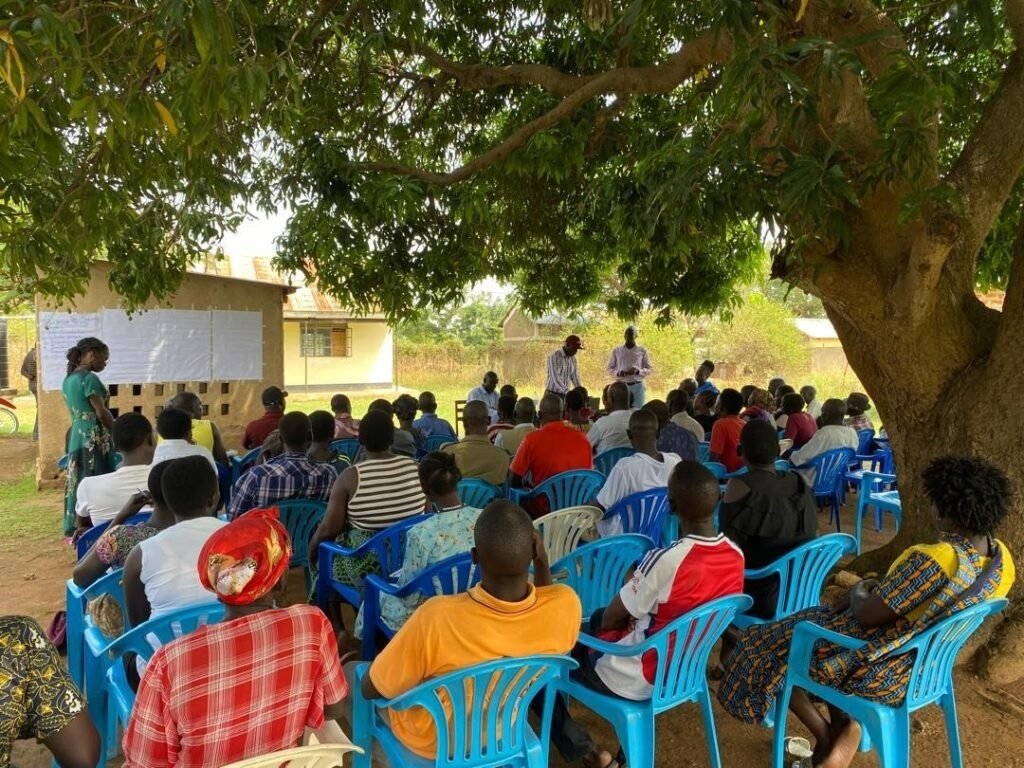
Onzima William, the District Natural Resources Officer, notes that sustaining alternative livelihoods will require improved access to water for dry-season farming and financing to enable farmers to invest in productive agricultural enterprises.
Without reliable access to these essential resources, farmers risk losing their crops and income, potentially pushing vulnerable households back towards charcoal burning as a means of survival.
For farmers such as Aduvuku, the transition represents more than a change in agricultural practice. It is an opportunity to earn a living without destroying the natural resources on which future generations depend.
However, whether more households abandon charcoal burning for good will depend not only on their willingness to embrace alternative livelihoods, but also on the support available to make those alternatives economically sustainable.
END