
BREATHING PROFIT, BEARING PAIN: INSIDE UGANDA’S TOBACCO POLLUTION CRISIS.
By Dramadri Federick
In Bongova Village, on the outskirts of Arua, mornings do not begin with birdsong or the chatter of children heading to school. Instead, for many families, the day starts with a question that has quietly taken hold of their lives: what exactly are we breathing in?
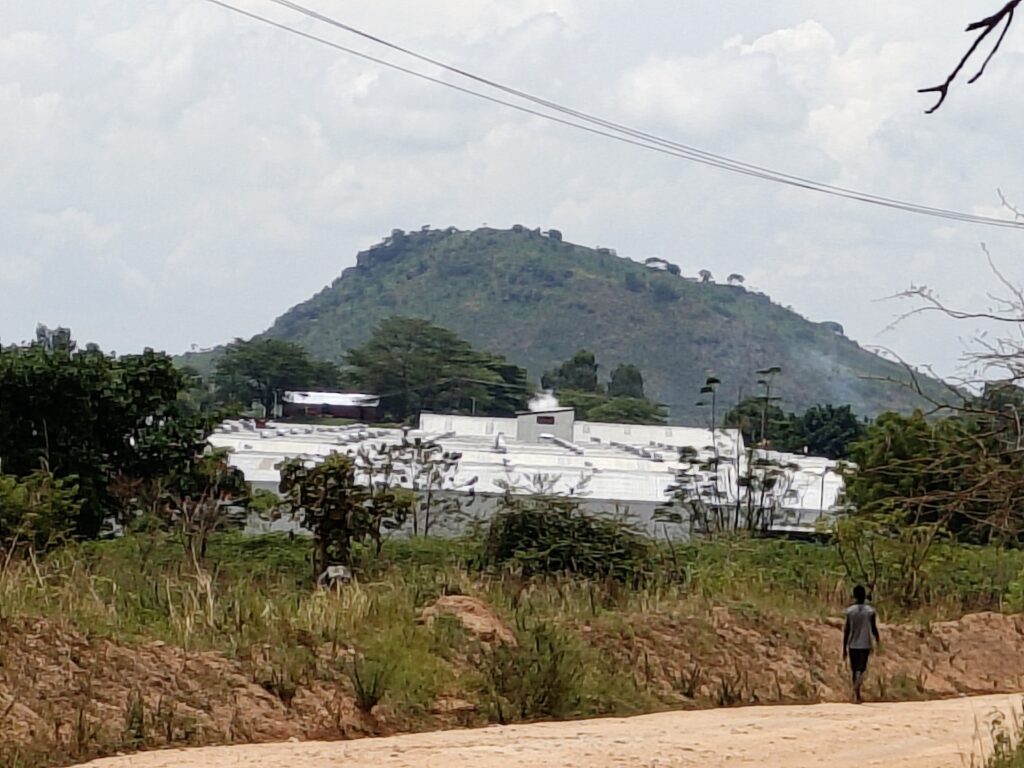
For Enzama John, a 76-year-old resident of Ewaa Parish, that question has lingered for years. He speaks slowly, his voice carrying both fatigue and quiet fear. Just a few kilometers from his home stands the Meridian Tobacco Company factory an industrial giant that once symbolized opportunity for the region, but now represents something far more uncertain.
“We are now living in fear,” he says. “Waiting for what may happen to us. We have been told that this smell is dangerous to our health, and it leaves us feeling helpless about our future.”
That “smell,” as residents describe it, travels far. Community members estimate that emissions from the tobacco processing plant affect villages within a five-kilometer radius, settling into homes, schools, and everyday life. For over three years, they say, it has persisted unseen but deeply felt.
Amaniyo Gloria, a breastfeeding mother, does not speak in statistics. She speaks in worry. Her concern is not abstract it is immediate, centered on her child and the invisible risks that may come with every breath. In homes like hers, the crisis is measured not just in discomfort, but in uncertainty about what long-term exposure could mean for the next generation.
Gasi Rose, another resident of Bongova, describes a pattern that has become routine.
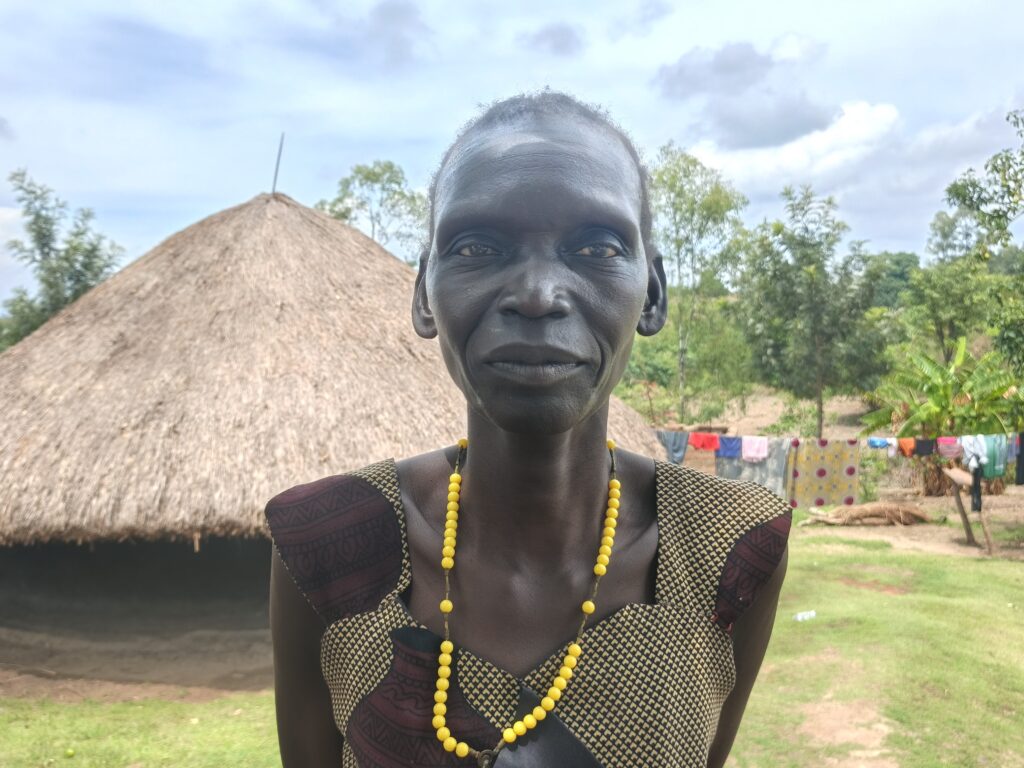
“The smell makes my throat itch. I don’t smoke, but I cough whenever I am at home,” she says. “This has been happening repeatedly for more than three years, especially when they are processing the tobacco.”
These testimonies are no longer isolated voices. They have coalesced into collective action.
Through the West Nile Compensation Advocacy Network, residents are now threatening legal proceedings against Meridian Tobacco Company Limited. On March 24, 2026, the network formally wrote to the company’s Managing Director, demanding the release of Environmental and Social Impact Assessment audit reports, along with proof of compliance with Uganda’s environmental and constitutional obligations. The company was given seven days to respond or face court action.
Richard Andama, the network’s Executive Director, frames the move as a necessary escalation after years of unanswered complaints. His colleague, Technical Director Victor Ajuma himself a resident exposed to the emissions insists the matter has reached a tipping point.
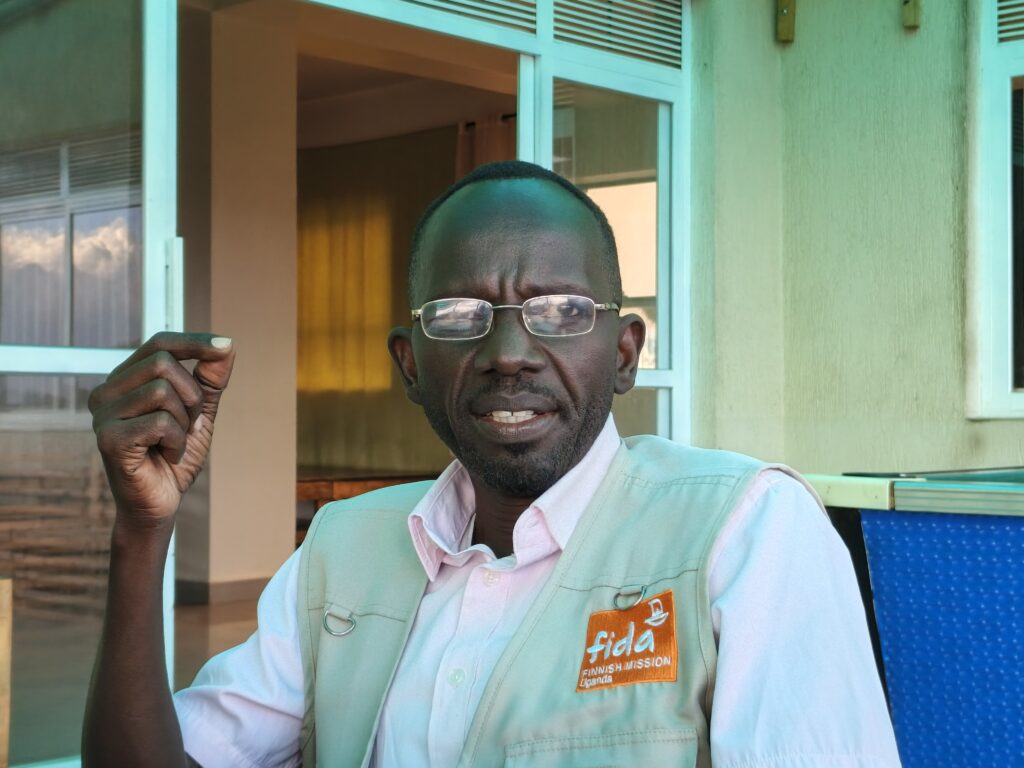
“This situation requires urgent intervention from all stakeholders,” Ajuma says, emphasizing that the issue is no longer just environmental, but a public health concern.
Across Uganda, tobacco-related exposure carries a heavy toll. National figures show that tobacco contributes to more than 13,000 deaths annually an average of 204 Ugandans every week. That number surpasses deaths from HIV, malaria, and tuberculosis combined. It is also a leading driver of Non-Communicable Diseases, which account for 25% of all deaths in the country.
The economic cost is equally stark. Each year, Uganda loses an estimated 126 million US dollarsto tobacco-related health impacts resources drained from households, health systems, and national development.
Arua District Chairperson, Alfred Okuonzi, has attributed the unchecked air pollution affecting communities in Ajia Sub-county to weak enforcement of environmental laws and policies by regulatory agencies and local government officials.
According to Okuonzi, although the district receives more than 100 million shillings in taxes from the company every month, compliance with environmental and social risk assessment requirements remains inadequate.
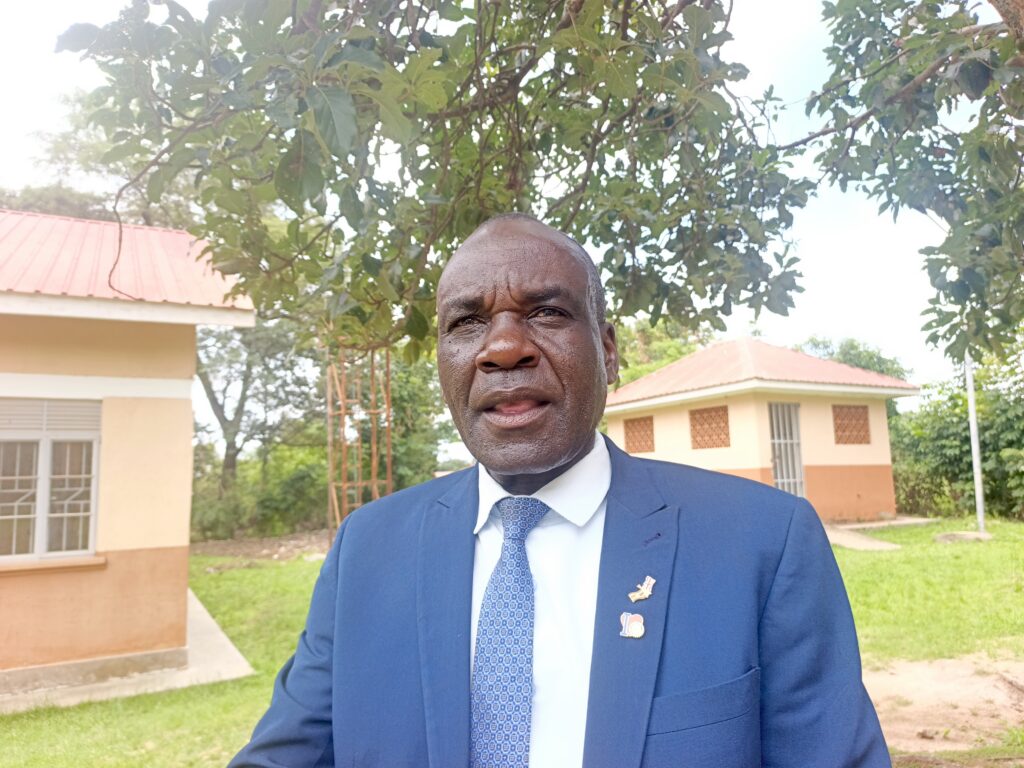
“Many times people blame but you see that factory pays 150 million shillings per month during peak hours as revenue, what is central government doing to help them not to affect the communities”. Okuonzi Noted
The LC5 Chairperson has, however, faulted technical officers and the National Environment Management Authority for failing to take action against Meridian Tobacco Company, whose alleged non-adherence to environmental standards continues to pose a public health threat.
“When we sent a team of officers last year we found that they (Meridian Tobacco Company) had no done environmental compliance Audit for four years and we tasked them to carryout. I think the biggest issue is some people are not doing their work like NEMA who is supposed to monitor compliance with the environmental laws requirement, I think we have a bigger problem in this country about entities failing people but they are seated to eat money and enjoy salaries freely.” The district chairman added
Air Injustice Verses Tax Profiteers.
For economists, this presents a troubling contradiction.
Tobacco has long been a pillar of West Nile’s economy. At its peak, the region produced between 12 and 13 million kilograms annually, supporting livelihoods across farming communities. Meridian Tobacco Company itself has played a central role in this ecosystem. Operating a facility valued between 20 and 25 million US dollars, the company contracted nearly 10,000 farmers as of 2017, generating approximately 7.5 million US dollars in annual earnings for associated growers.
Its factory complex in Ajia Sub-county worth 75 billion Ugandan shillings was established in 2013, with full-scale production beginning in 2014. For many, it represented industrial progress creating jobs, markets, and a pathway out of poverty.
But more than a decade later, that narrative is being challenged.

Economists like Julius Mukunda of Civil Society Budget Advocacy Group CSBAG point to what they call “externalized costs” where the financial benefits of industry are offset by hidden burdens placed on communities. In Ajia, those costs may be unfolding in real time, as residents report health symptoms while the economic gains remain unevenly distributed.
“You cannot say, that you want to stop tobacco when you are licensing the companies, taxing them and again fail to protect the citizens.”
At the same time, the region itself is changing. Tobacco production is declining, driven by falling prices, environmental concerns, and a shift toward alternative crops such as horticulture and rice farming. What was once a dominant economic activity is slowly losing ground.
Yet the influence of the tobacco industry persists.
According to the 2025 Global Tobacco Industry Interference Index, Uganda ranks 10th out of 100 countries, with a score of 41 a drop from its 7th position in 2023. The report highlights growing industry influence on public health policy, weak transparency, and concerns about corporate engagement through social responsibility initiatives.
In Ajia, these national and global dynamics converge into a single, unresolved question: who is responsible for protecting communities?
Uganda’s legal framework appears clear. The National Environment Act of 2019, alongside the Environmental and Social Assessment Regulations of 2020 and the Factories Act (Cap 220), mandates strict environmental compliance and requires a safe distance between industrial operations and residential areas. These laws are designed to prevent exactly the kind of scenario now unfolding in Bongova Village.
But enforcement remains uncertain.
The situation has already escalated into demands for compliance documentation and the possibility of legal proceedings. At the center of this looming confrontation is not just Meridian Tobacco Company, but also the institutions tasked with oversight including the National Environment Management Authority.
Meanwhile, Arua District Chief Administrative Officer, Wamburu Soita Emmanuel, who said he was not aware of the pollution allegations at the factory, has revealed plans to dispatch a team of officers to assess the situation on the ground.
“I’m directing my team led by the Natural Resources Officer to go and monitor what is really happening at Meridian Tobacco to ensure that they fulfill their obligations in that respect.” Wamburu noted
Meridian Tobacco Company Responds
When contacted, the company, through its spokesperson Ronald Toorac, acknowledged the concerns and proposed relocation as the only viable solution to protect affected communities. However, that proposal has met resistance from some local leaders in Arua District, exposing deeper tensions around land, compensation, and accountability.
Beyond the legal arguments lies a more fundamental issue, there is no publicly available air quality measurements specific to the affected communities. No independent health studies assessing long-term exposure of the Ajia Community, no accessible compliance reports detailing emissions or mitigation efforts.
In an era defined by data-driven decision-making, this silence is striking.
It leaves residents to rely on lived experience on the smell in the air, the irritation in their throats, and the fear that something is wrong.
Uganda’s Worsening Air Quality.
Current data shows that the country’s PM2.5 levels average around 50 micrograms per cubic meter, five times higher than the World Health Organization’s recommended limit of 10 micrograms. This not only poses serious health risks but also undermines Uganda’s commitments to the Sustainable Development Goals, particularly targets 3.9.1and 11.6.2, which aim to reduce deaths from air pollution and minimize environmental impact in cities.
Globally, the scale is even more alarming. The World Bank’s 2025 report, “Accelerating Access to Clean Air for a Livable Planet,” estimates that outdoor air pollution causes 5.7 million premature deaths each year, costing the global economy nearly 5% of GDP. It further reveals that 99% of the world’s population is exposed to unsafe air.
Ajia is not isolated from this reality, it is part of it. What is unfolding in this small corner of West Nile reflects a broader global challenge how to pursue economic growth without compromising human health. This question stretches beyond Uganda, beyond tobacco, and speaks to the very model of development shaping much of the modern world.
For the residents of Bongova Village, however, the issue is far from theoretical. It is present in the air they breathe each day, in the persistent coughs that refuse to go away, and in the uncertainty surrounding their children’s future. Ajia now stands at a crossroads, and the decisions made here could redefine not only the relationship between one company and one community, but also the wider standards of industrial accountability in Uganda.
END.