
OPINION: MOSES ALI’S 2026 VICTORY ISN’T ABOUT THE FUTURE. IT’S A LESSON IN UGANDA’S POLITICAL PRESENT.
By Bazio Doreen.
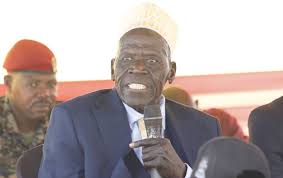
As the dust settles on Uganda’s 2026 elections, a result from Adjumani District tells us more about the nation’s political DNA than any headline-grabbing presidential ballot ever could. The re-election of General Moses Ali as MP for Adjumani West isn’t merely a local affair; it is a master class in the enduring realities of power, patronage, and historical memory in our country. At a moment when analysts scramble to decode “new” trends, this outcome is a stark reminder of the old rules that still govern us.
Let’s be clear: in 2026, this was never a contest about fresh ideologies or generational change. It was a referendum on a singular, unparalleled political brand—that of the ultimate survivor. While other constituencies debated manifesto points, Adjumani voted on a 50-year relationship. They voted for “Kiligbwiki,” the patriarch whose name is stamped on boreholes, health centres, and gravel roads. In an era of economic anxiety, the potent currency of proven patronage, delivered through decades of high-office access, trumped all else.
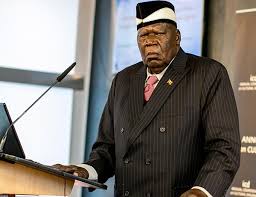
This victory is a direct product of the NRM’s core architecture. The party machinery, with its deep reliance on established hierarchies and reward for loyalty, didn’t just back Gen. Ali; it validated his entire political model. His re-election is a signal to every aspiring politician: in this system, unwavering allegiance and the ability to consistently deliver tangible goods to your base remain the golden tickets. The message from the top seems clear: longevity and loyalty are not just valued; they are vindicated at the ballot box, regardless of a candidate’s proximity to a century of life.
But we must not look away from the deeper, more uncomfortable conversation this win forces upon us. As Uganda marches further into the 21st century, what does it mean that a figure so intrinsically linked to its most turbulent 20th-century chapters continues to wield such direct electoral power? For critics, it’s a troubling testament to a political culture that prioritizes transactional stability over transformative accountability. It whispers that certain types of pasts can be not just reconciled but eternally leveraged.
Yet, to dismiss this as a simple moral failing is to misunderstand the electorate. For the people of Adjumani, the abstract debates of history are less pressing than the concrete realities of a water source or a clinic. Gen. Ali’s narrative of personal redemption and relentless focus on local development resonates powerfully. He has mastered the art of being a national symbol in Kampala and a local patron at home. In 2026, his opponents couldn’t crack that code.
So, what does this mean for the coming parliamentary term? Don’t expect radical shifts. This is a legacy-cementing chapter. We will likely see a final, focused push on constituency projects and a careful orchestration of political succession. In the cabinet, his voice will remain one of experienced, conservative caution—a living link to the past, informing the politics of the present.
The true takeaway from Moses Ali’s 2026 triumph is this: while Uganda’s demographics may be young, its political rhythms are still dictated by enduring forces of continuity, patronage, and complex, personal historical narratives. In a noisy election cycle, the quiet, resounding win of an 80-something-year-old general is the loudest commentary of all. It tells us that in understanding where Uganda is going, we cannot afford to ignore the long shadows cast by those who have, in every sense of the word, endured.
The views expressed in this opinion article are solely those of the author and do not necessarily reflect the editorial policy of this publication.