ELOKU VILLAGE RESIDENTS PETITION ADJUMANI RDC, ACCUSE SECURITY OFFICIALS OF BIAS.
By; Anzoo Evaline.
Residents of Eloku Village in Fuda Parish, Pakele Sub County, Zoka Zone have petitioned the Adjumani Resident District Commissioner (RDC) over alleged brutal arrests, destruction of property, land grabbing and bias by security officers, which they say has left many members of the Madi community homeless and in pain.
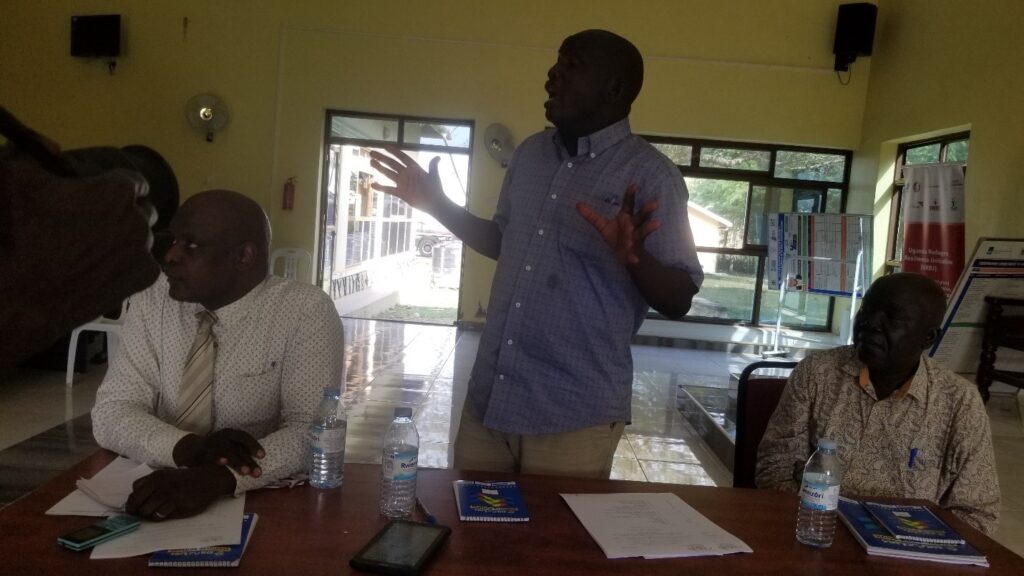
Presenting their grievances at the RDC’s office on 19th December 2025, residents accused security agencies of siding with the Acholi community in the area, a situation they say has resulted in widespread loss of property and displacement.
Droma Richard, a resident of Eloku village, said the community has suffered massive destruction.
“All our properties have been destroyed, houses burnt, pieces of land forcibly grabbed and our brothers have been innocently detained by police,” Droma said.
He added that security officers have taken sides, saying, “Security officers have sided the Acholi community whom he said is the reason for their loss.”
Baako Jane, a widower, also narrated her ordeal, saying her house and crops were destroyed.
“Our worst enemies are the law enforcement officers like the UPDF, police and the Acholi communities who are residing in Eloku village,” Baako said.
Another resident, Izama James, also questioned the neutrality of the security forces operating in the area.
“The army is not neutral. So, there is no fairness in that area. The UPDF are siding with the Acholi. They are not siding with the Ma’di. So, we have lost our properties. Our houses have got burnt. So, right now people are not there. Very few people are there, but UPDF are not helping us,” Izama said.
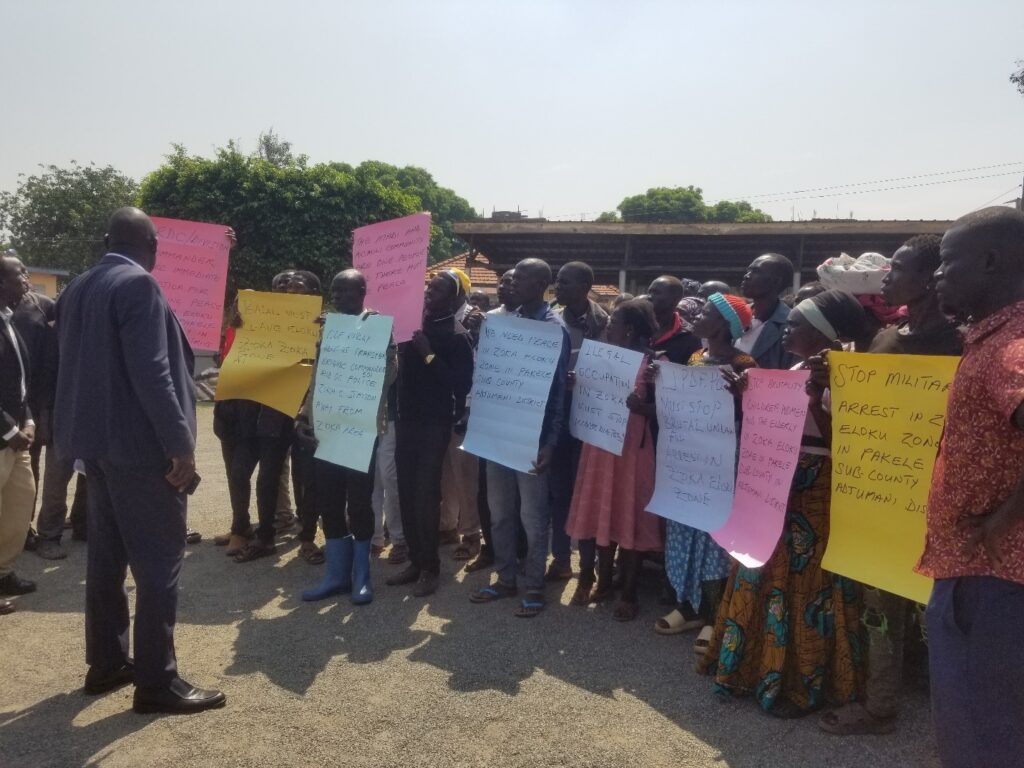
Responding to the petition, the Deputy RDC of Adjumani, Emmanuel Okware, acknowledged receipt of the complaint and assured residents that the matter would be addressed.
“We feel the pain and frustration you are going through, but we want you to know that we have received this petition. It’s a long petition. We need to sit together as a team and we discuss it. We shall give you feedback through your leaders. We shall address this and come back to you via your leaders. If necessary, we shall call for a meeting around that area,” Okware said.
Residents said they are hopeful that the intervention by the RDC’s office will restore peace, ensure fairness by security agencies, and allow displaced families to return to their homes.
END.