
ITULA SS WINS INTER-SCHOOL CLIMATE CHANGE DEBATE IN OBONGI.
By Onzima Allan
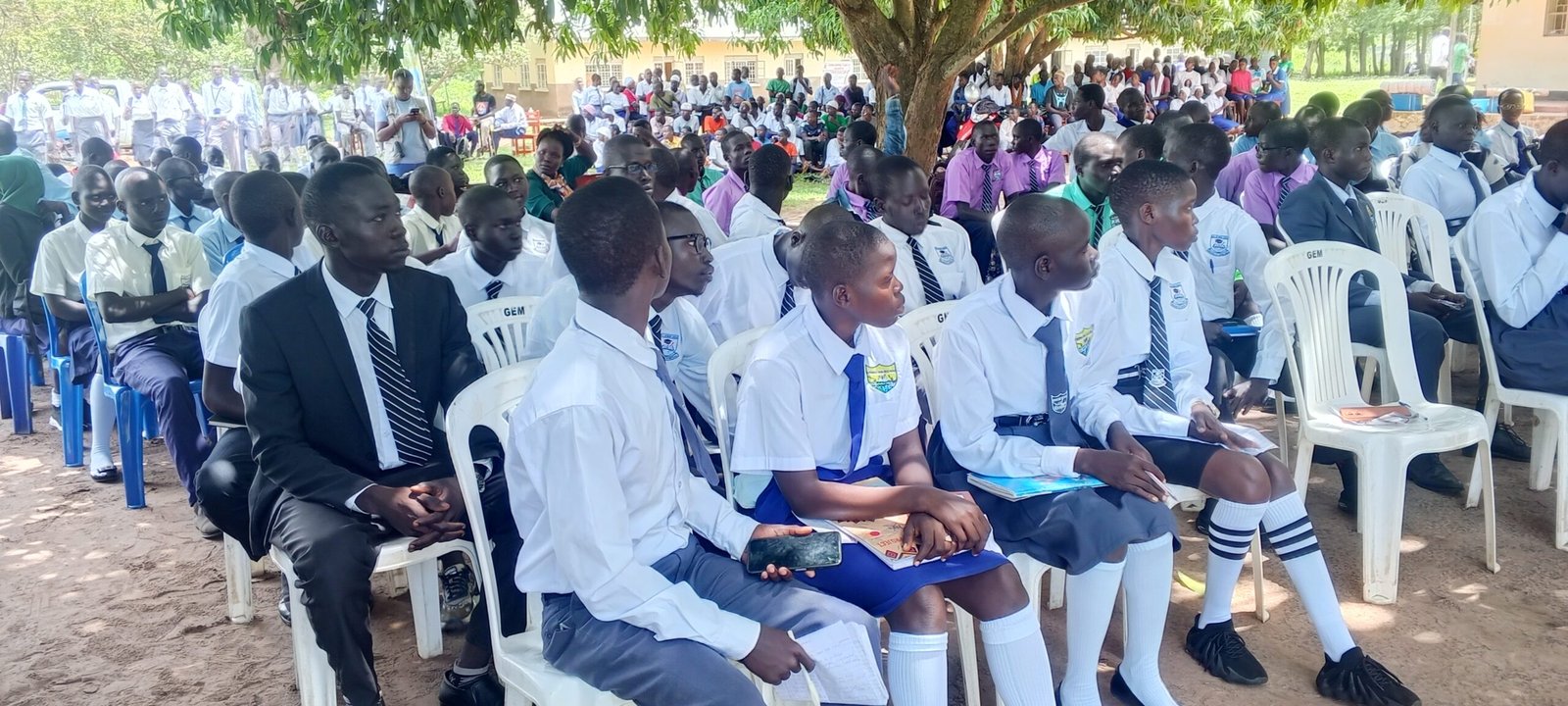
Itula Secondary School has emerged as the overall champion in an inter-school debate on climate change and nature conservation, bringing together seven secondary schools in Obongi District to promote environmental awareness and action among young people.
The debate, hosted by Obongi Secondary School, was organized under the Strengthening Environmental Accountability and Climate Action in West Nile and Karamoja (SEA-WNK) project. The initiative is implemented by a consortium led by RICE West Nile, alongside three other partners, with funding from the Embassy of Denmark through the Partnerships for Accountability, Civic Engagement and Rights (PACER) programme.
Speaking at the event, Mukili Saddam, Consortium Coordinator at RICE West Nile, highlighted the key components of the SEA-WNK project and its role in strengthening environmental accountability and promoting climate action in the region.
Wayiga Muhammad, Head Prefect of the host school, Obongi SS, welcomed the initiative, expressing enthusiasm for opportunities that empower students to participate in environmental conservation and address climate change challenges.
Draecaabo Patrick, the District Coordinator of the Uganda National Students’ Association (UNSA) in Obongi, emphasized the importance of the debate in promoting environmental management and encouraging students to take an active role in protecting their surroundings.
Unzimai Henry Pastore, the Obongi District Environment Officer, commended the choice of theme, noting its relevance to nature conservation and the need to strengthen environmental protection efforts.
Meanwhile, Azubuu Michael, District Secretary for Works, Production and Natural Resources at Obongi District Local Government, highlighted the climate-related challenges facing the district and linked them to the extent of environmental degradation. He underscored the importance of raising awareness and encouraging collective responsibility for protecting natural resources.
The debate provided a platform for students to exchange ideas, demonstrate their understanding of climate change and explore the importance of conserving nature. It also reinforced the role of schools and young people in promoting environmental stewardship and supporting community-level climate action.
Through initiatives such as the SEA-WNK project, students are encouraged to become active participants in addressing environmental challenges and advocating for sustainable practices in their schools and communities.
ENDS.