
ADJUMANI DISTRICT REGISTERS RISE IN FAMILY PLANNING UPTAKE
By Anzoo Evaline
Adjumani District has registered a remarkable improvement in family planning uptake, rising from 27.1% in 2021 to 48.8% in 2025, according to the Assistant District Health Officer in charge of Child and Maternal Health.
The achievement has been largely attributed to the SHARE Consortium Project, a five-year initiative implemented in Adjumani and Buyende districts aimed at improving access to quality reproductive health services and promoting behavioral change among communities.
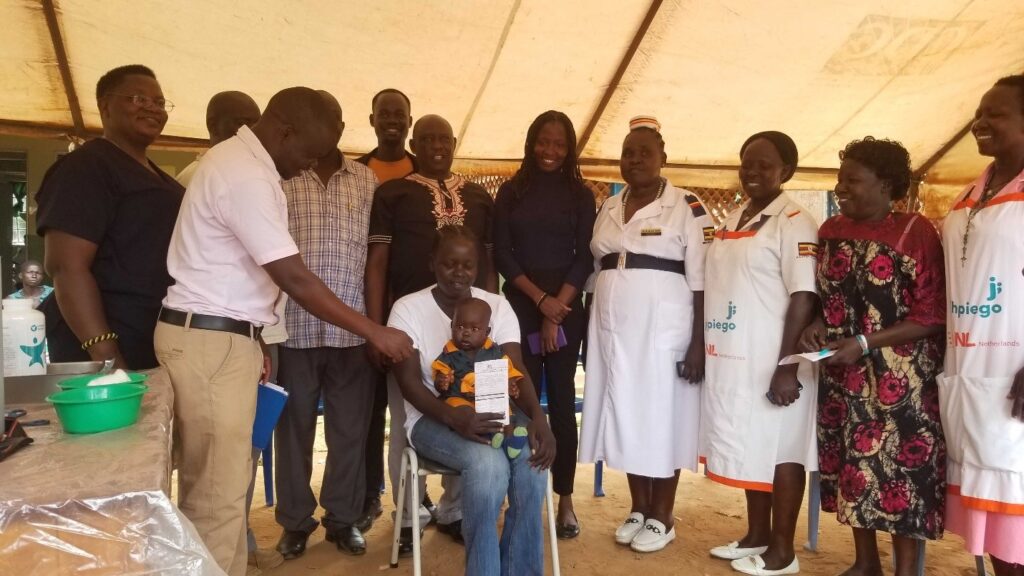
Speaking during the SHARE GAC award for journalists held in Kampala on 16th October 2025, the Assistant District Health Officer Dr. Lulu Henry Leku, noted that the success has positioned Adjumani among the top-performing districts in West Nile sub region in terms of increasing access to and utilization of family planning services.
“We adopted a multi-sectoral approach which is partner supported district to late but more importantly the community only program. So, we mobilized the community through all the structures that are represented in this forum. We moved our family planning service uptake from 27.1% to 48.8%. As we talk probably, we are amongst the top districts in the Western Nile region in terms of increasing access to and utilization of family planning services at the facility and as well as at the community level. The other previous speakers have talked about the activities, the outputs that we have done. Since we are sharing success, I really want us to look at the results itself,” said Dr. Lulu.
Lulu also explained that the project has strengthened community awareness, supported health facilities with family planning commodities, and trained health workers to provide youth-friendly services.
“Through SHARE, we have been able to reach even the hard-to-reach areas with correct information and services, enabling women and couples to make informed choices and when you do family planning better, ladies and gentlemen, you are moving Uganda towards to the income status. Because you will have quality population that can contribute to the socio-economic transformation of this country. And when you do it better, you also achieve in prevention of teenage pregnancy,” he said.
Community mobilization efforts by village health teams, religious leaders, and peer educators have also played a key role in breaking myths and misconceptions surrounding family planning.
Official from the ministry of health applauded the continued collaboration between the districts and implementing partners, emphasizing that sustained investment in reproductive health will help reduce teenage pregnancies, maternal deaths, and unplanned births across districts.
END.